
1989
Creation of MMT



MMT for Moving Magnet Technologies.
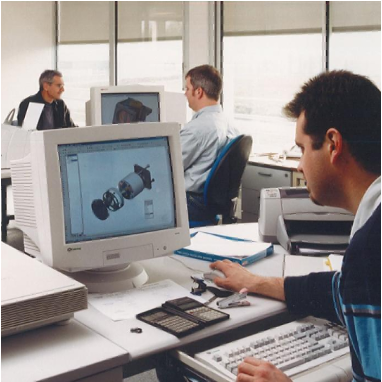
It all began in the late 1980s, in Besançon, the cradle of French high precision and micromechanical industry. Eminent scientist Dr. Claude Oudet conducted research into electromagnetism, a field of science based on the resolution of Maxwell's equations, applied to specific magnetic circuits. He believed in the potential of designing innovative electromechanical systems based on high-energy permanent magnets to control complex systems. MMT was created on April 1, 1989, and Daniel Prudham and Pierre Gandel soon joined the venture. In 1995, MMT established a privileged partnership with the Swiss group Sonceboz, a world leader in mechatronic positioning and flow control solutions.
YOUR QUESTIONS, OUR EXPERTISE
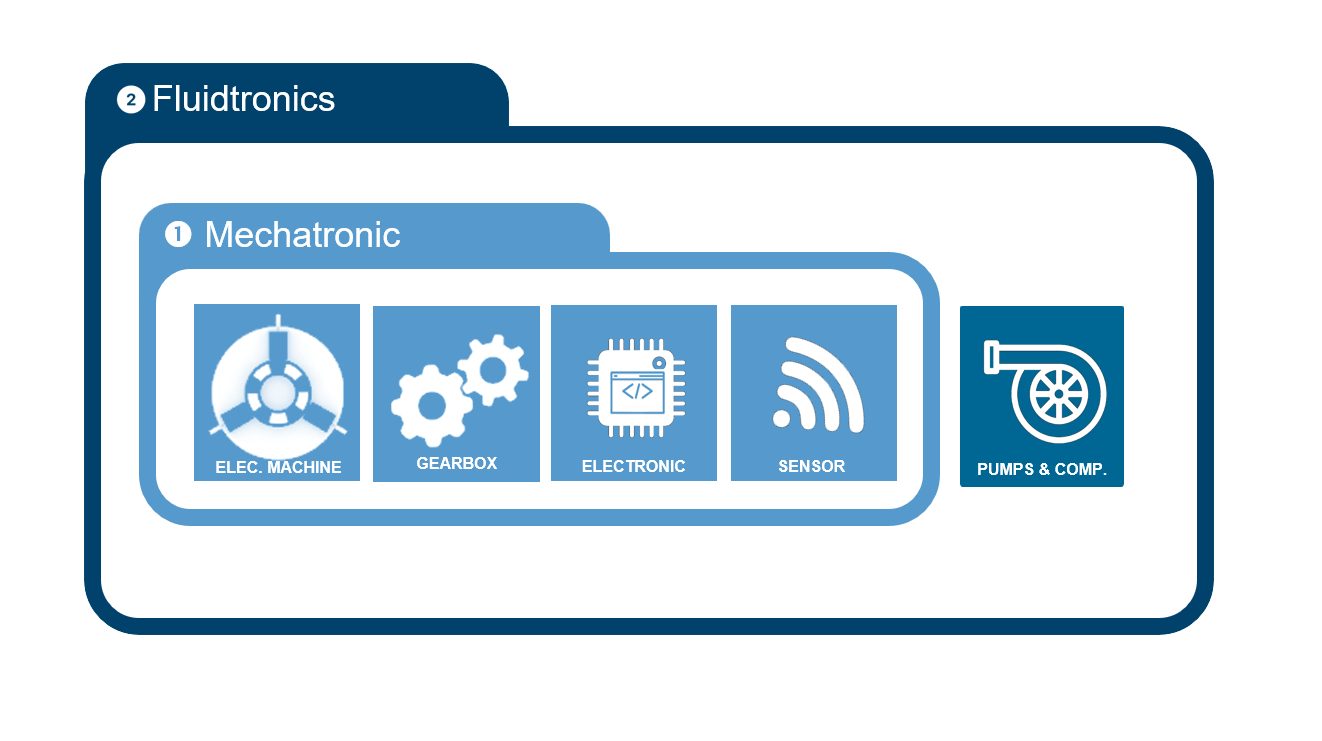
In 2024, MMT extended its expertise to fluidtronics and applications beyond mobility. This development builds on its experience in motors, actuators and sensing by adding fluidic design for integrated systems such as pumps, compressors and thermal-management equipment.
MMT’s milestones include its creation in 1989, the Sonceboz partnership in 1995, the first MMT TechDays in 2011 and the billionth instrument-cluster actuator based on an MMT stepper-motor patent in 2014. The company also developed an international technology-licensing activity.
MMT established its partnership with the Swiss Sonceboz group in 1995. This milestone forms part of the company’s development from a specialist electromagnetic engineering business into an international technology partner for mechatronic positioning and flow-control applications.
MMT grew from Dr. Claude Oudet’s work on electromagnetism and magnetic circuits. This scientific foundation supported the development of permanent-magnet technologies for motors, actuators and sensors, combining fundamental research with practical electromechanical design.
Moving Magnet Technologies was founded on April 1, 1989, in Besançon, France. Its origins lie in research into electromagnetism and permanent-magnet circuits applied to electromechanical systems, within a region known for precision engineering and micromechanics.