

Discover the electric exoskeleton
Electric Exoskeletons (eWalk) mark a major step forward in human mobility. Designed to reduce physical strain for workers, support hikers, and aid rehabilitation, these systems combine comfort with performance.
To meet user expectations, they must be lightweight, compact, and ergonomic, while delivering high efficiency. A key criterion is transparency: the device should feel so natural that the wearer forgets it’s there. This requires optimized design, intuitive interfaces, and smart algorithms that adapt assistance in real time.
Beyond industry and leisure, these technologies are vital for personal assistance, helping seniors or people with disabilities regain autonomy. In rehabilitation, they accelerate functional recovery through safe, personalized support.
The future of exoskeletons lies in balancing power and discretion, robustness and comfort, to create an experience that feels natural—an invisible partner for human movement.
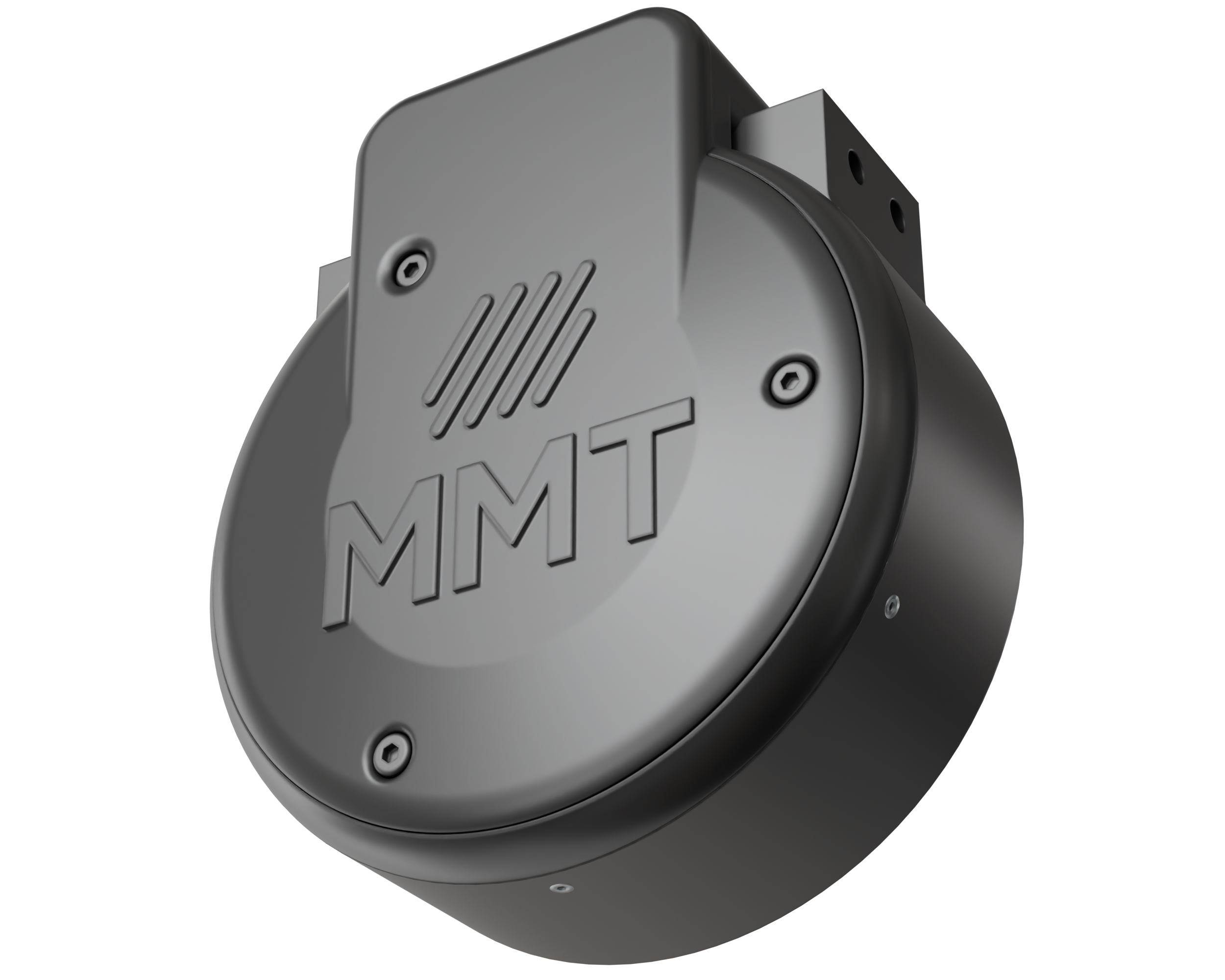
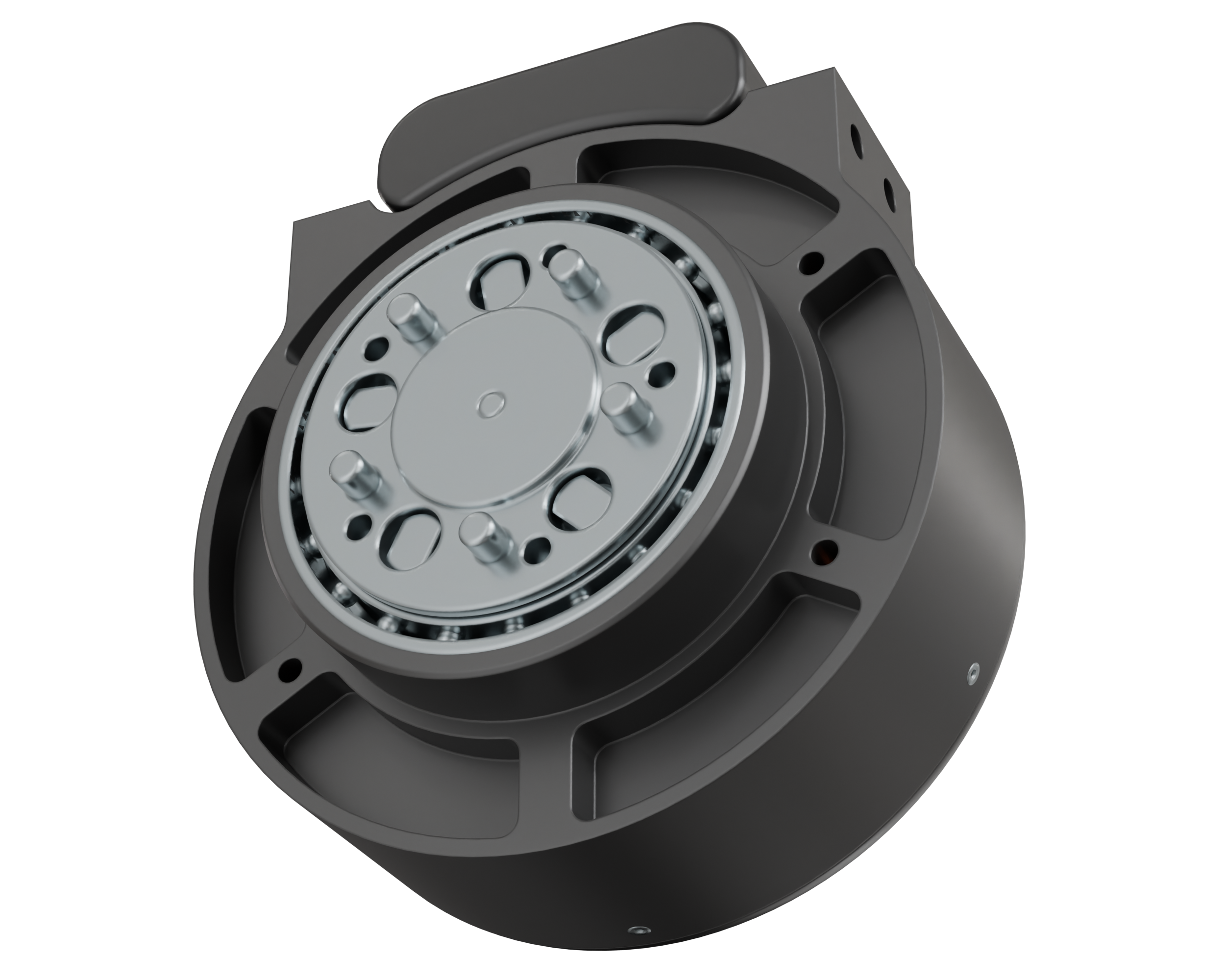
Using an integrated design that combines a flat motor with a single stage gear reducer offers a key benefit for transparency: excellent backdrivability and reduced inertia.
Our eWalk is built around our best of the class patented MM249 silent motor technology. It delivers a powerful assistance at a discrete and acceptable noise level for the comfort of the user.
Because MMT knows to design motors and reducer, we have optimized the full system in order to fit the gear reducer with the motor and the bearings, reaching torque densities of 100Nm/L. We use a robust and clever cycloidal gear arrangement that performs excellent torque transmission capability without compromise on the efficiency and reliability.
Smart algorithm implemented in the embedded electronic calculate precisely the speed of the motor to deliver the optimal torque corresponding to the natural walking operation. Thanks to our eWalk, up to 19% of metabolic efficiency improvement has been measured.