ELECTRONICS S/H

ELECTRONICS S/H

APPLICATION

Software

At MMT, software innovation is at the core of our mechatronic actuator solutions. Our activities span the entire embedded software development lifecycle, with a strong focus on performance, reliability, and compliance with automotive standards.

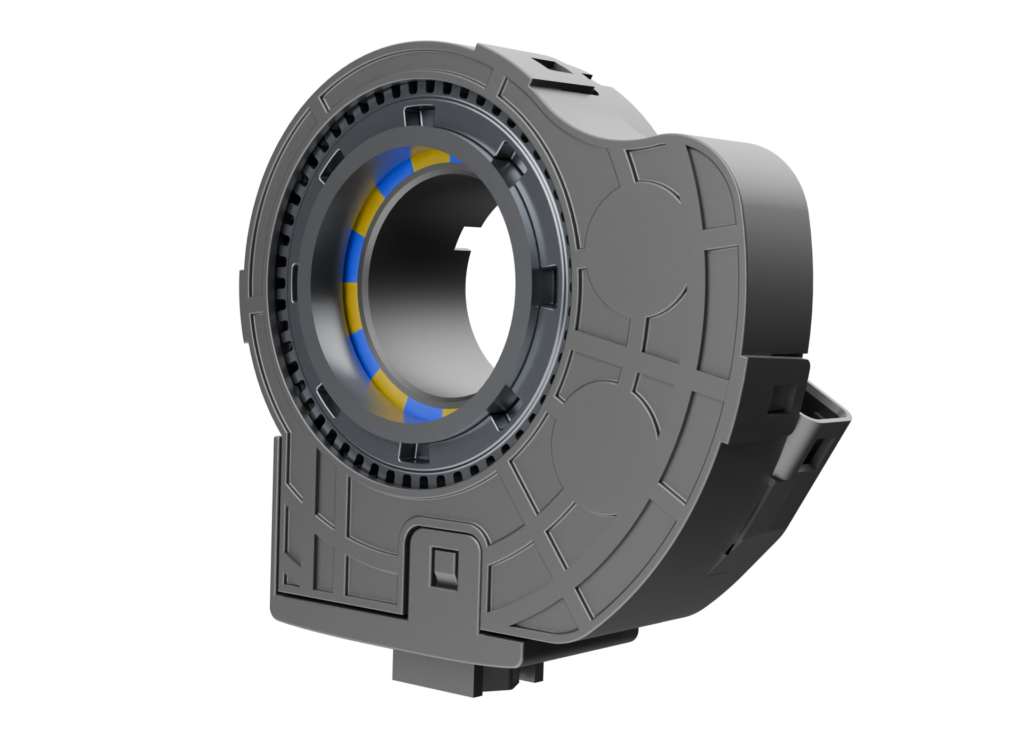
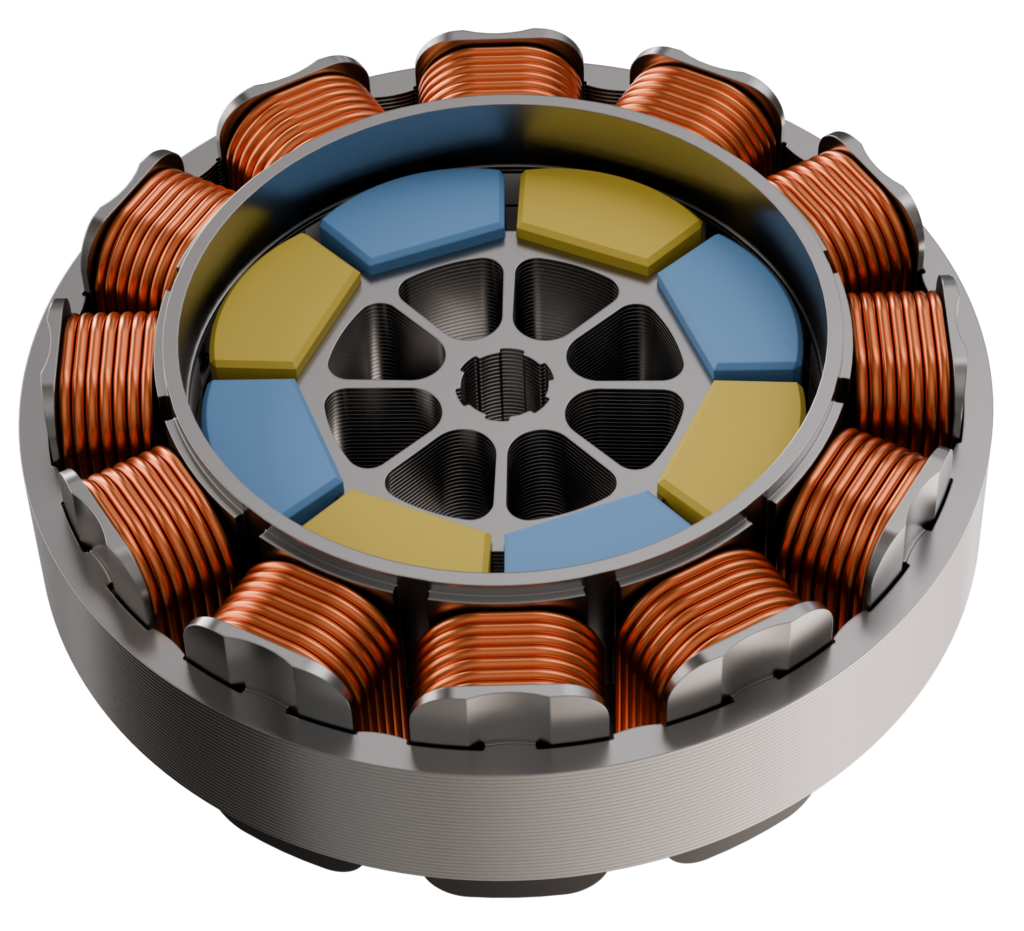
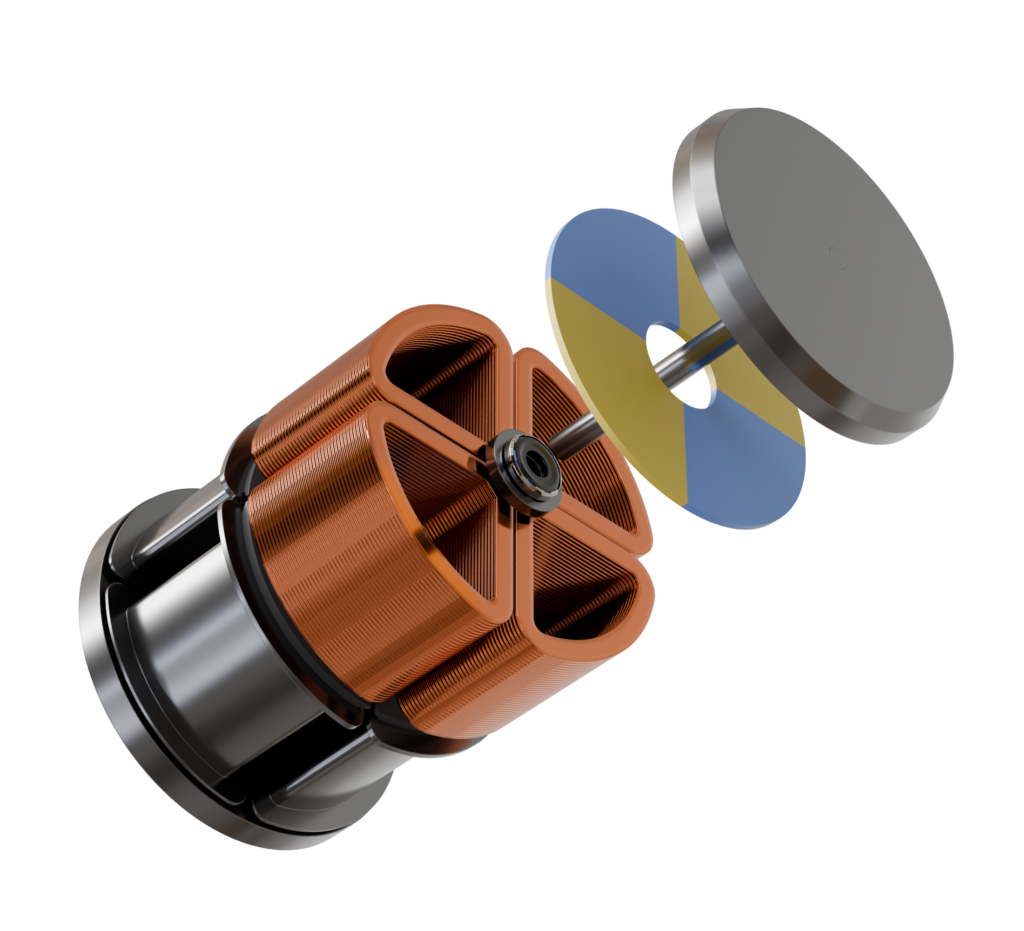
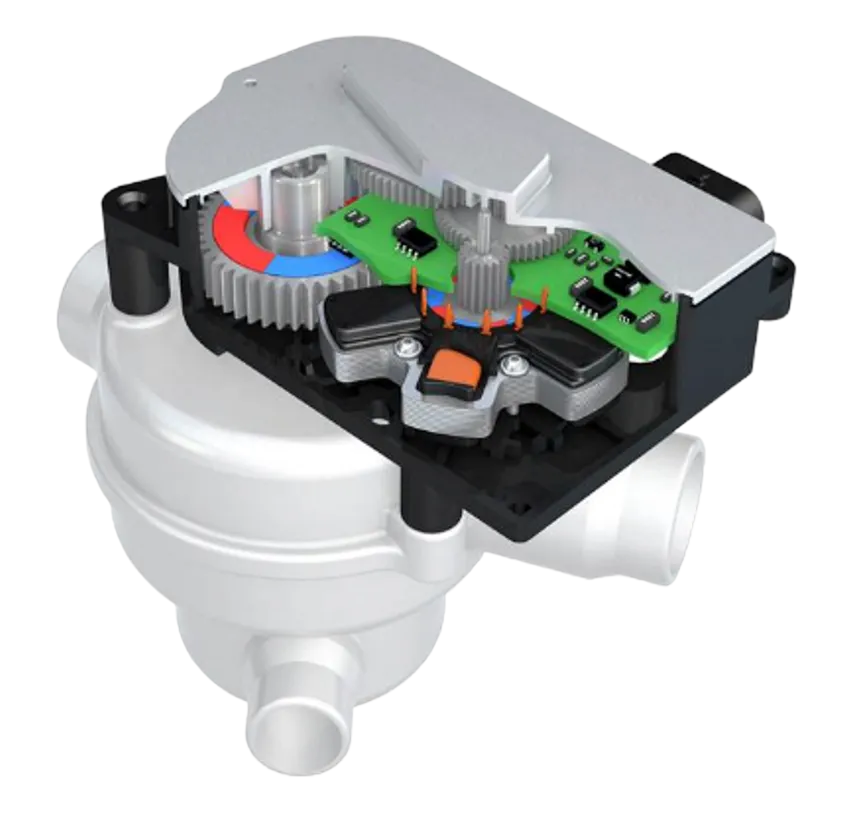
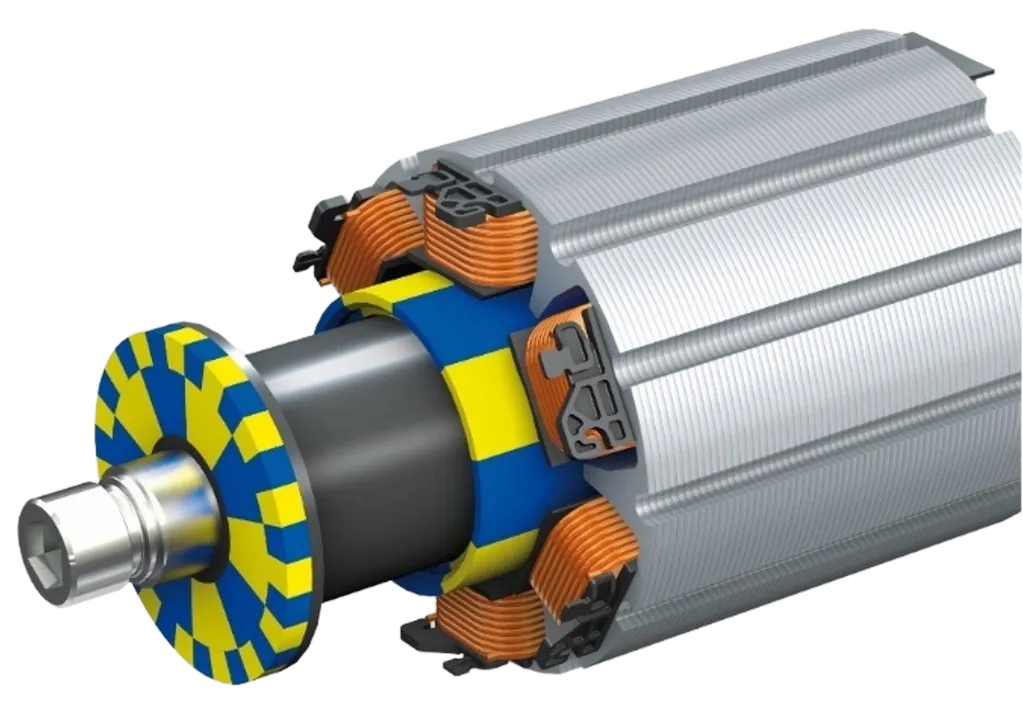
We develop robust software platforms and motor-control libraries tailored to microcontroller architectures, integrated into compact actuators combining motor, sensors, and electronics. This expertise enables us to meet the increasing demands of automotive and industrial applications by ensuring optimized torque, position control, and functional safety.

Our approach relies on advanced Model-Based Systems Engineering (MBSE) and Model-Based Design (MBD) methodologies to accelerate design, anticipate thermal behavior, and validate performance from the earliest stages of a project.

Through our simulation tools, test benches, we deliver scalable software solutions ready to be deployed in demanding environments. Our developments include innovative features such as sensorless control, energy management, and compatibility with cutting-edge technologies such as GaN inverters.

MMT Technology Characteristics

In summary, our ability to co-develop intelligent mechatronic solutions—combined with a culture of excellence and strong cross-functional collaboration—positions us as a strategic partner for ambitious actuator projects.

Hardware – GaN

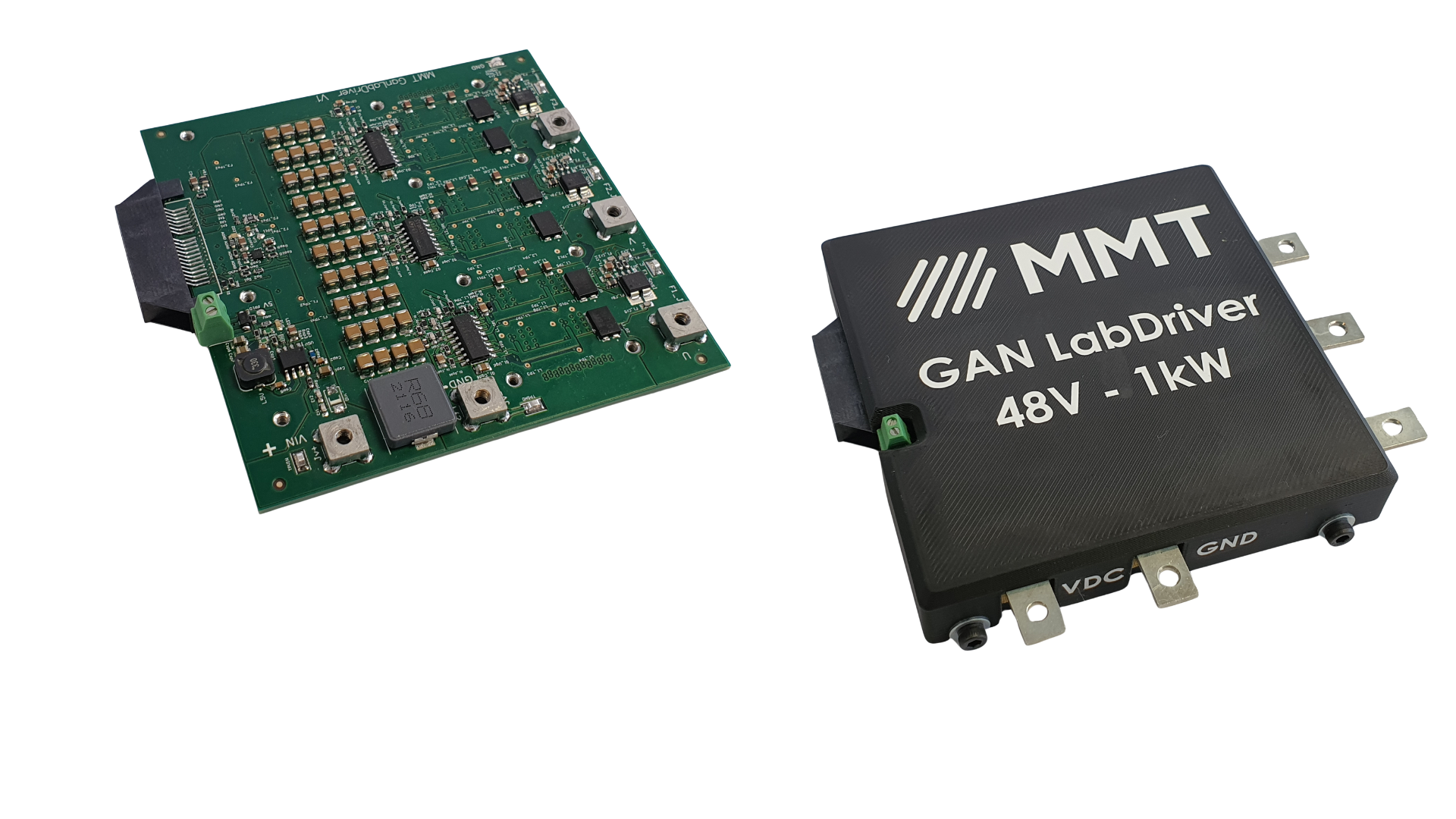
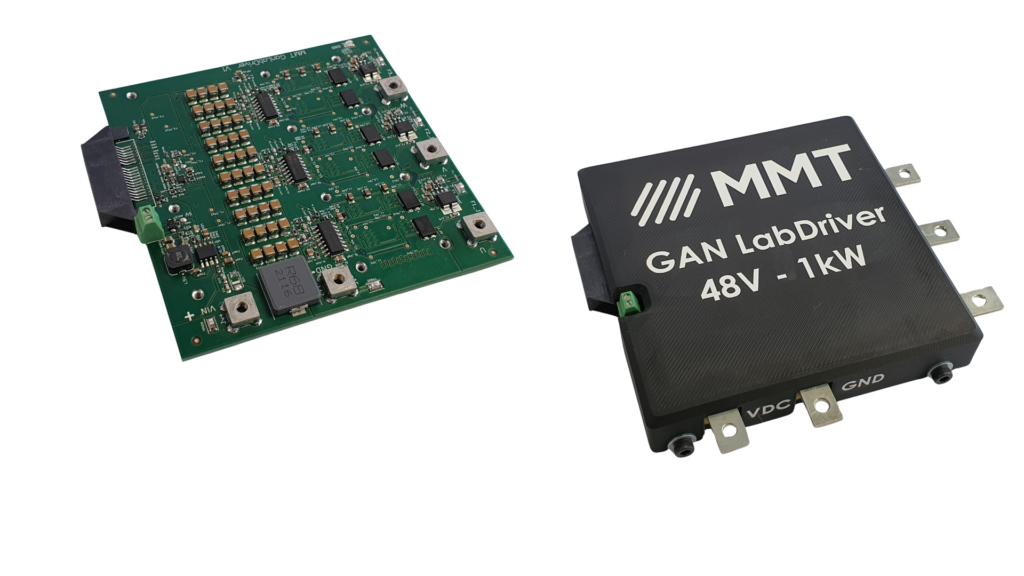
At MMT, we push the boundaries of mechatronics through Gallium Nitride (GaN) technology, an innovation that is reshaping the future of power electronics. Our actuators integrate GaN-based solutions to deliver compactness, energy efficiency, and dynamic performance, meeting the demands of the most advanced automotive and industrial applications.

Why GaN?

GaN enables ultra-fast switching speeds, high power density, and a significant reduction in losses, outperforming traditional silicon-based technologies. This breakthrough results in more compact actuators capable of operating at higher frequencies while ensuring optimal thermal and electrical reliability.

Our vision

By combining hardware innovation with software expertise, we design actuators that are faster, more compact, and more durable—contributing to the transition toward highly efficient mechatronic systems.

YOUR QUESTIONS, OUR EXPERTISE

Frequently asked questions

Can MMT co-develop motor hardware and control software?

Yes. MMT combines electromagnetic engineering, electronics and embedded software to co-develop integrated mechatronic solutions. Developing these elements together helps align the motor, inverter, sensing and control strategy with the required torque, position, packaging and efficiency objectives.

How does model-based development support MMT’s electronics projects?

MMT uses Model-Based Systems Engineering and Model-Based Design to connect requirements, architecture and control development. Simulation and test benches help assess performance and thermal behaviour from early project stages, supporting the progressive validation of software and electronics.

Does MMT develop sensorless motor-control functions?

Yes. Sensorless control is among the features described in MMT’s embedded software activities. Its suitability depends on the motor, operating conditions and control objectives, so the approach is evaluated within the requirements of the complete mechatronic application.

Why does MMT use GaN power electronics?

Gallium nitride, or GaN, supports fast switching and high power density in power-electronic circuits. MMT combines GaN-based hardware with control software to investigate more compact and efficient actuator architectures, with thermal and electrical behaviour considered during development.

What embedded software does MMT develop for mechatronic systems?

MMT develops embedded software platforms and motor-control libraries for compact actuators combining motors, sensors and electronics. Its work covers torque and position control, energy management and application-specific functions across the embedded software development lifecycle.