Driving Motor

Driving Motor

DLA

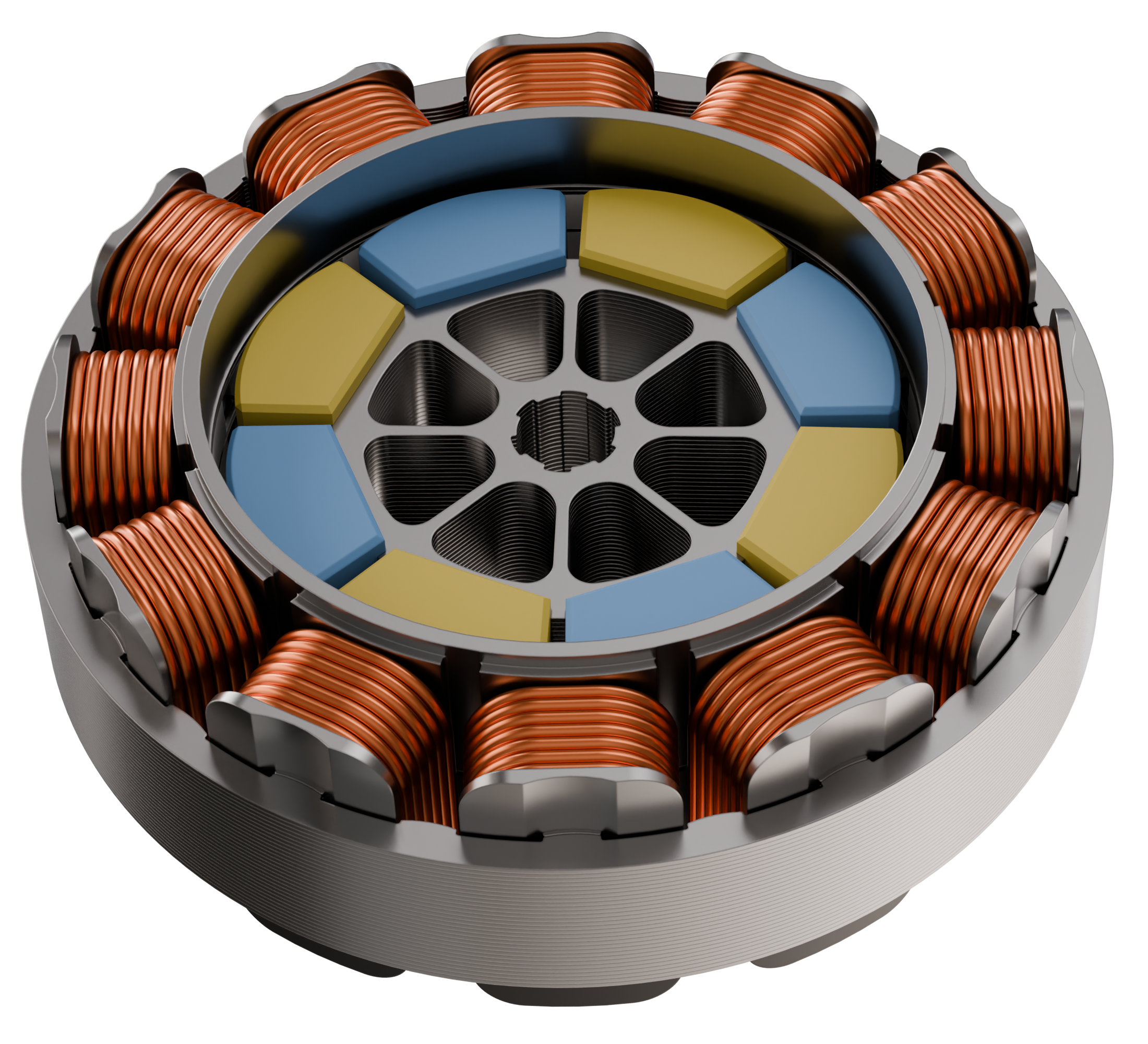
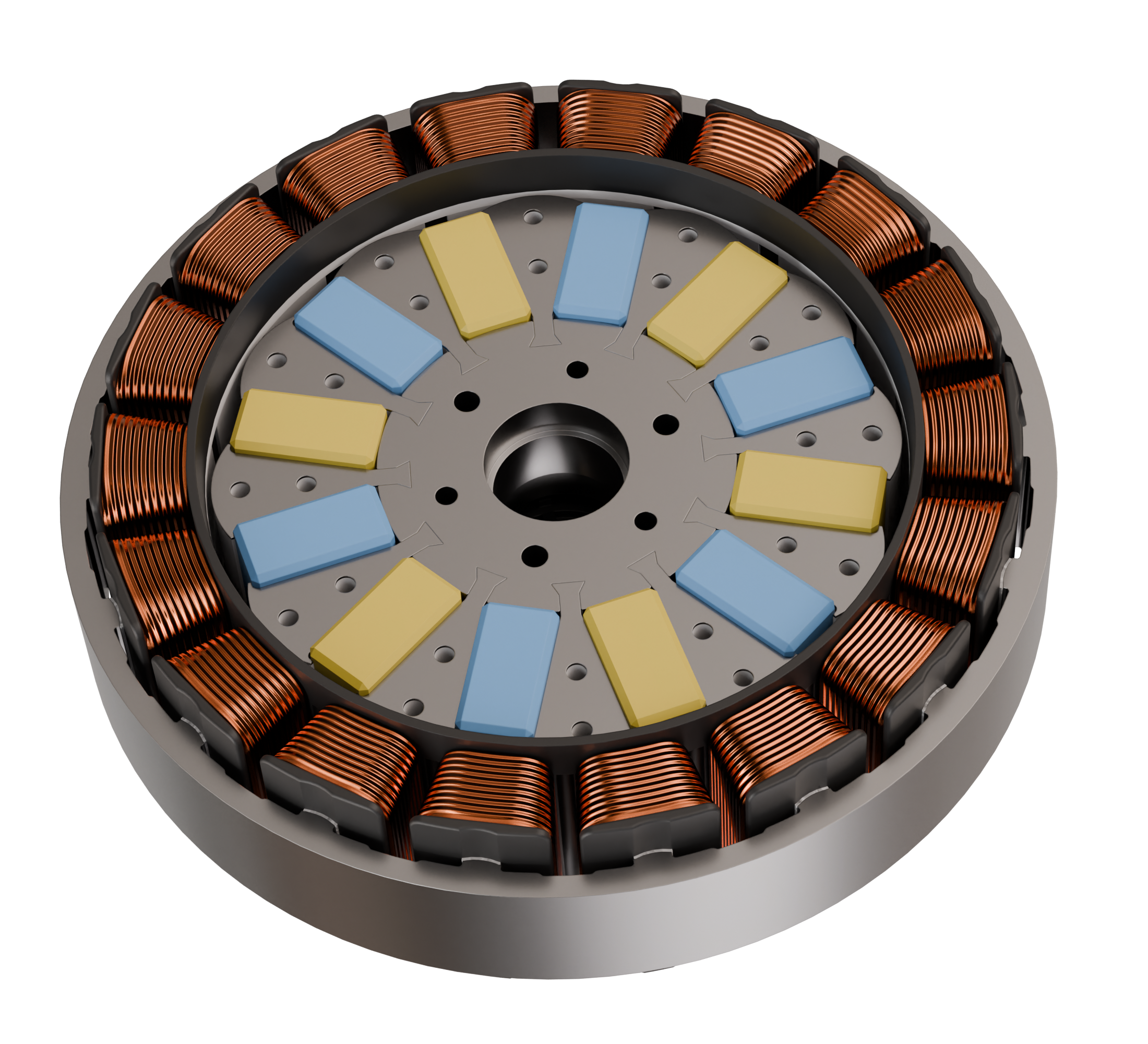
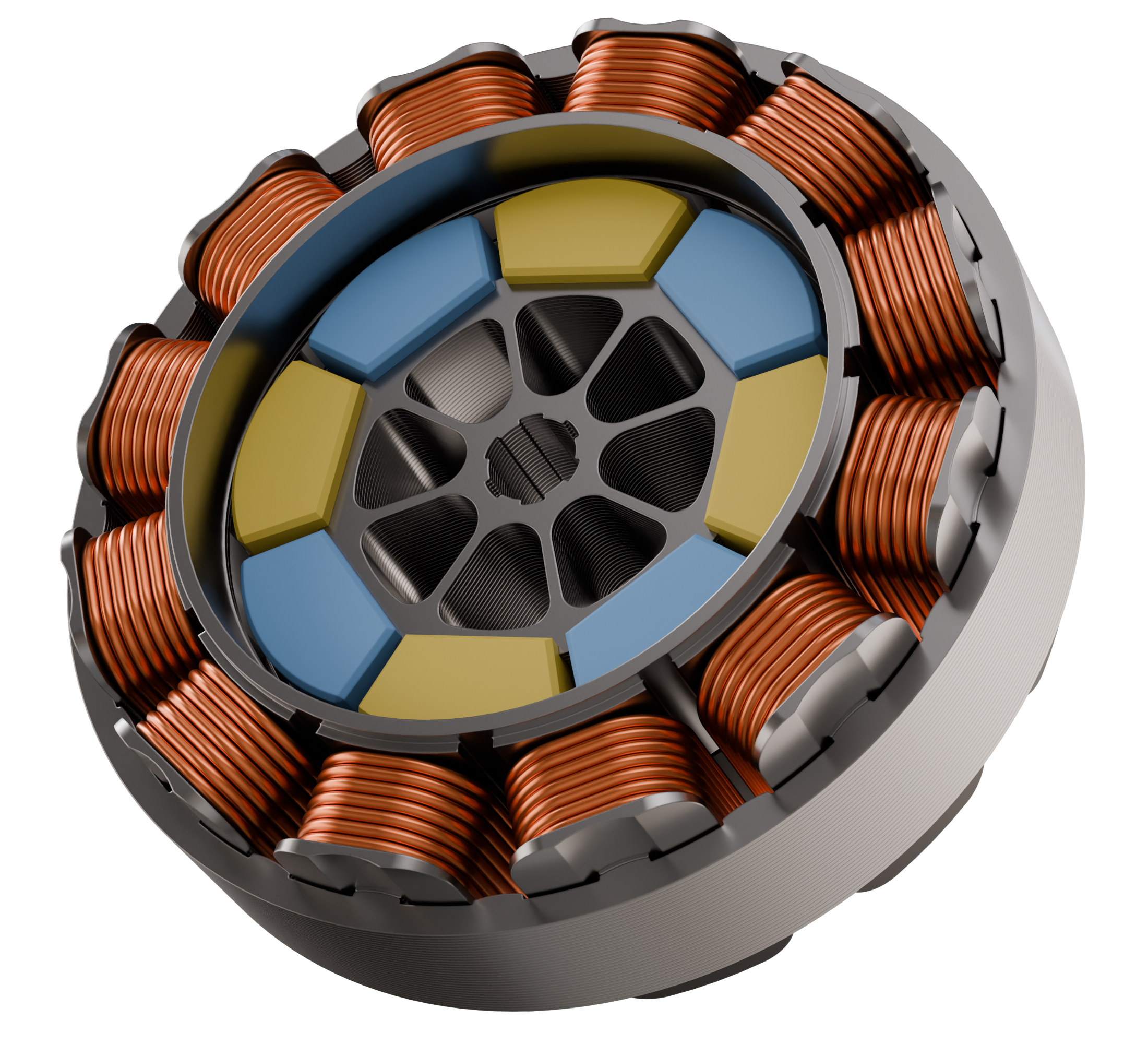
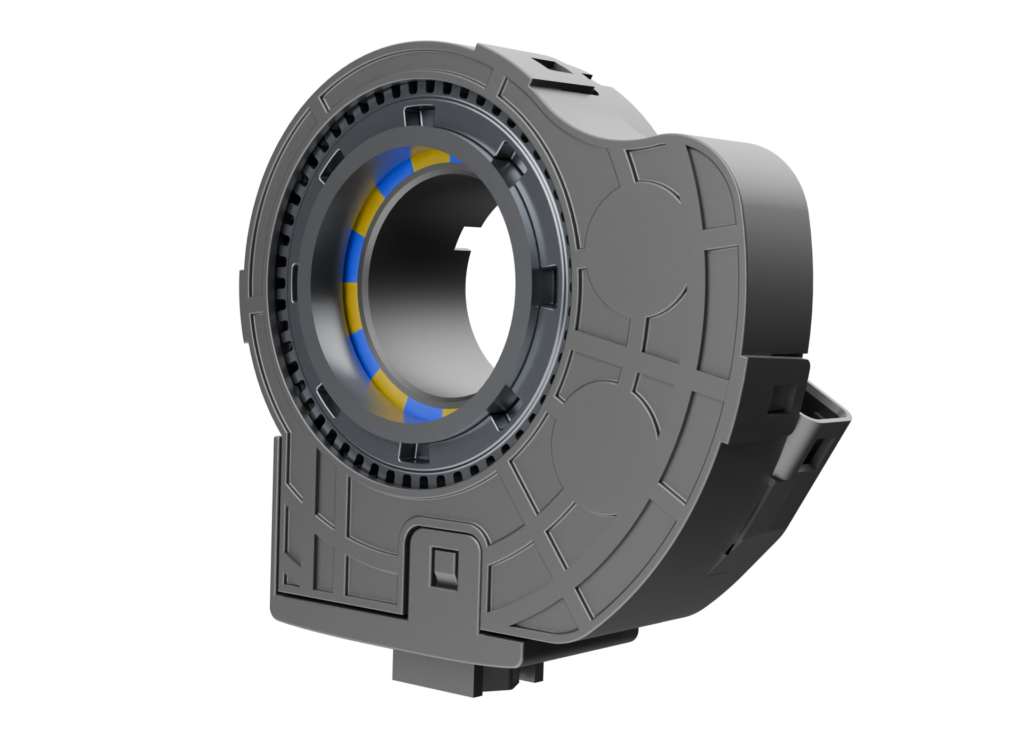
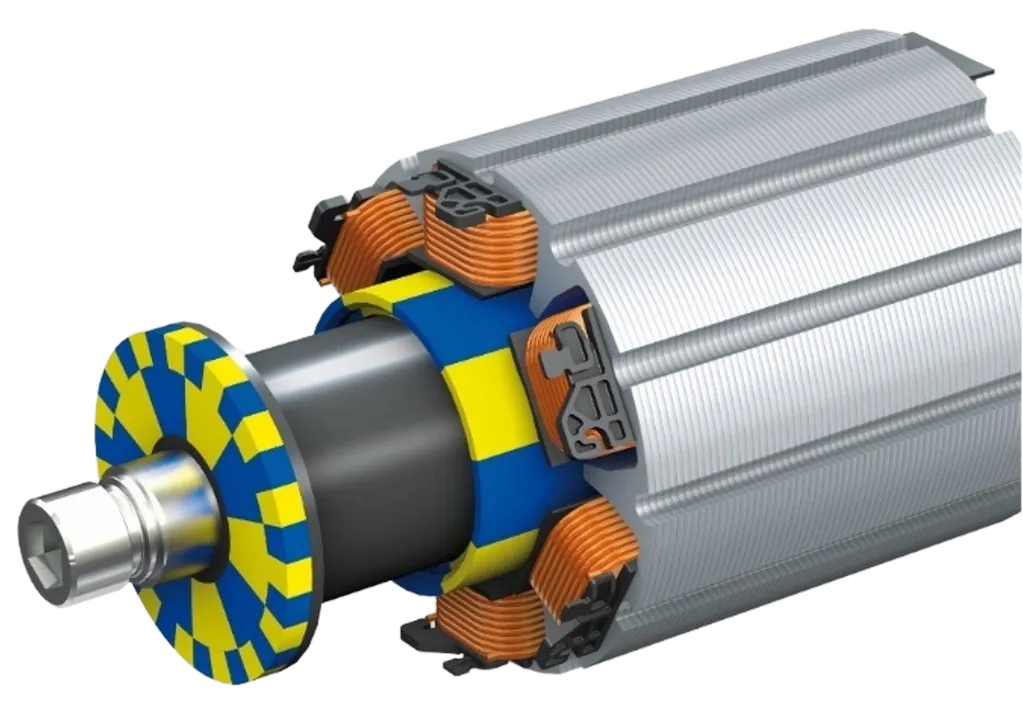
Driving motors are the cornerstone of next-generation thermal and auxiliary systems in electric vehicles. With lightweight and robust designs, our BLDC solutions deliver high efficiency, low noise, and strong power density in compact packages. Fully compatible with the most advanced control strategies, our driving motors enables more responsive control, improving overall management while reducing energy consumption. By helping manufacturers achieve increasingly challenging targets in terms of efficiency, comfort, and sustainability, MMT motors are ready to meet the growing demands of today's electric mobility.

MMT Technology Characteristics

Image hotspot
1 Up to 1 kW
  1. 1

    Up to 1 kW

    Up to 1 kW

Silent Motor

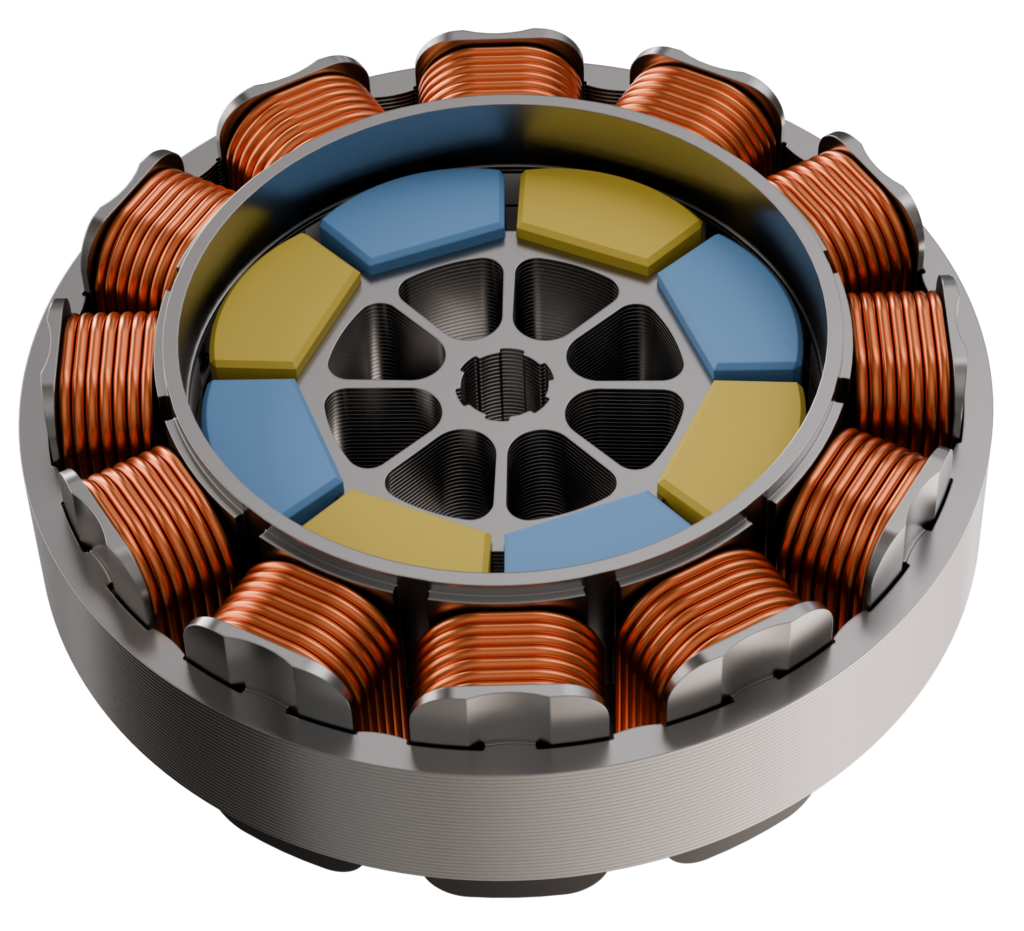
Thanks to a specially engineered self-damping structure, our patented BLDC motor operates with exceptionally low noise and reduced vibration. This design minimizes structural resonances and enhances overall acoustic comfort, fully aligned with the expectations of modern electric mobility.

High Power Density

Optimized to deliver high output in a compact footprint, the motor achieves outstanding power density. This ensures strong dynamic performance while maintaining excellent energy efficiency, even in demanding applications.

Versatile & Scalable Design

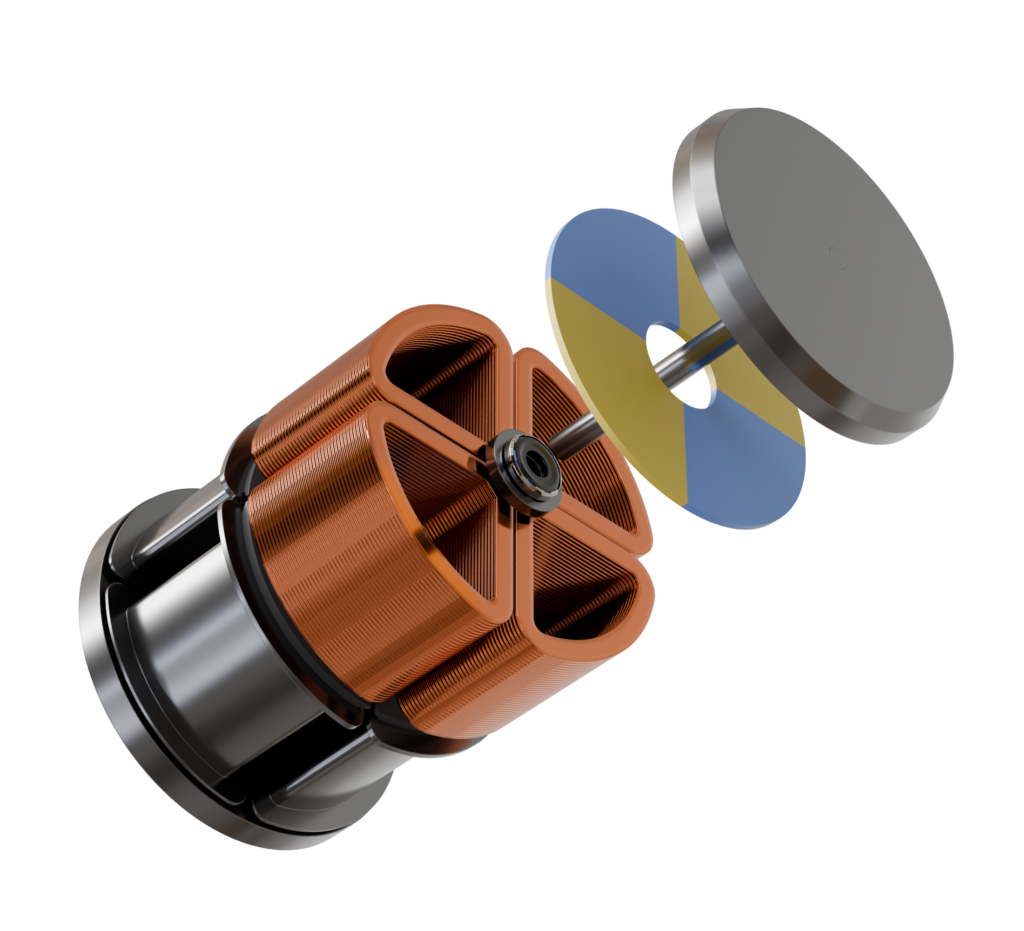
Designed on the basis of a modular and scalable architecture, the structure of our motor technology can be easily adapted to different power levels and installation constraints. This versatility reduces development times and makes the solution suitable for a wide range of auxiliary drive systems.

Compactness

Their compact architecture makes our motors easy to integrate into constrained vehicle environments, enabling manufacturers to optimize packaging without sacrificing performance or durability. This streamlined design offers greater flexibility for modern systems where every millimeter counts.

YOUR QUESTIONS, OUR EXPERTISE

Frequently asked questions

How does motor design affect integration into an electric vehicle?

Motor dimensions, mounting, noise behaviour and control requirements all influence system integration. MMT’s compact BLDC motor designs help address constrained installation spaces while allowing the motor architecture to be matched to the intended auxiliary function.

Why is power density important for an auxiliary electric motor?

High power density helps deliver the required mechanical output within a smaller motor volume. MMT combines electromagnetic and mechanical design to address this requirement alongside efficiency, acoustics and integration constraints in compact thermal-management systems.

Can the driving-motor architecture be scaled to different applications?

Yes. MMT’s driving-motor architecture is modular and scalable. The design can be adapted to different power levels and installation constraints, enabling customers to consider a common technological basis across several auxiliary-drive applications.

How does MMT reduce BLDC motor noise and vibration?

MMT’s patented motor technology uses a self-damping structure to limit structural resonances and vibration. This addresses motor-generated noise at the design stage, supporting quieter operation in applications where auxiliary equipment is especially noticeable, such as electric vehicles.

What are MMT’s BLDC driving motors designed for?

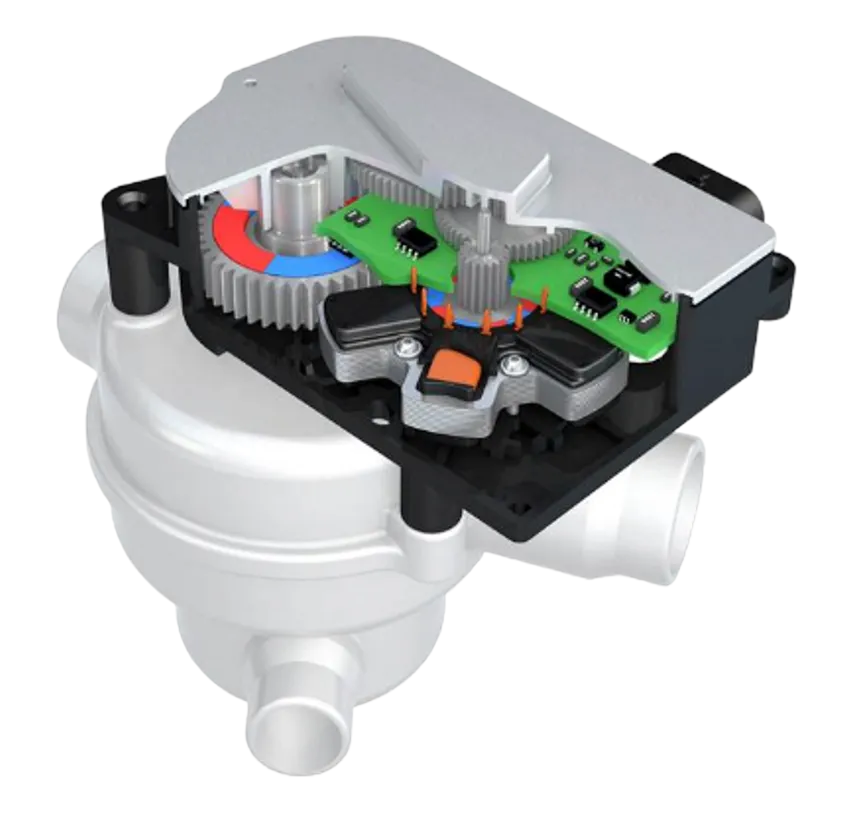
MMT develops brushless DC driving-motor technologies for thermal-management and auxiliary systems, particularly in electric mobility. Their design focuses on combining compact packaging, high power density, efficiency and low noise for applications such as fluid-handling equipment.